See a hairstyle before the haircut
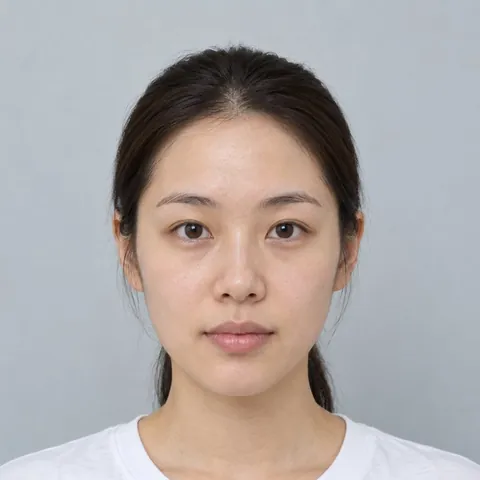

Existing demo images. A styling simulation, not a prediction. The report includes 6 optional AI renders; each is generated on request.
Measure your face length-to-width, jaw-to-cheekbone and forehead ratios to find which of the six shapes you are, then get the hair and glasses direction that suits it.
Front-facing, unobstructed, evenly lit photos work best. Your photo is analysed on your phone or computer and is never uploaded.
Your shape is a starting point. The report uses your measured proportions to explain hair and frame choices.
US$12.99 US$6.99 46% off One-time payment. No subscription, no account.
Your report link and receipt go here (optional, checkout asks too)
Next: secure checkout by Waffo, charged in USD.
Checkout could not open just now. Leave your email and we will tell you the moment it is fixed.
Got it, thanks.
Not happy within 7 days? Email us for a full refund.
Explore a sample before you decide. Your own report uses your measurements; these examples show the format, not your result.
Existing demo images. A styling simulation, not a prediction. The report includes 6 optional AI renders; each is generated on request.
Softly rectangular frames with moderate lens depth and a frame width close to the face
Excerpt from the published sampleReshape the hair silhouette with crown lift, below-jaw length, and controlled sides.
One principle: add volume where your face lacks it, and stop adding it where your face already has plenty.
Length-to-width around 1.45, with forehead and jaw both a little narrower than the cheekbones.
What suits it: Barely restricted. Try a centre or side part that leaves the face open; square frames add structure.
Length-to-width near 1.35, soft jawline, not enough vertical feel.
What suits it: Build height on top and keep vertical lines at the sides; square frames. Avoid a blunt jaw-length bob.
Jaw width comes close to the cheekbones, with a defined jawline.
What suits it: Soft waves and a side-swept fringe; round or oval frames. Avoid heavy square frames.
Length-to-width above 1.62, not enough horizontal weight.
What suits it: A brow-length or wispy fringe shortens the face, with volume at the sides; frames with more depth.
Wider forehead, narrow jaw, pointed chin.
What suits it: Layers or flicks around the jawline; frames that are wider or rounder at the bottom, or rimless.
Cheekbones widest, forehead and jaw both narrower.
What suits it: Volume at the fringe and jawline; oval or cat-eye frames to soften the cheekbones.
Full measuring steps, the prototype ratio table and the mistakes people make: how to tell your face shape
The measurements and judgements on this page rest on the work below, including findings that cut against what we do. Reference values are ranges the literature reports, not targets to reach.
Four ratios are measured: face length divided by width, jaw-angle width divided by cheekbone width, forehead width divided by cheekbone width, and mid-jaw width divided by cheekbone width. Those are compared against six prototype shapes and the closest one wins. The prototype values are published in the guide so you can check them yourself.
That is very common. When two prototypes score almost equally, the result card says "leaning" toward the second one. Split the difference on styling advice.
One principle: add volume in the direction your face lacks it. Round faces need vertical, oblong faces need horizontal, square faces need softer lines, heart faces need weight near the jaw, diamond faces need forehead and jaw.